Four drawing talents
How do you choose from those 1,700+ studios? Explore the website, scroll through, and discover all those unique locations. Don't have much time to scroll? Then we're happy to offer you some tips and lists, like these studios with a focus on drawing.
Ellen Cornelis
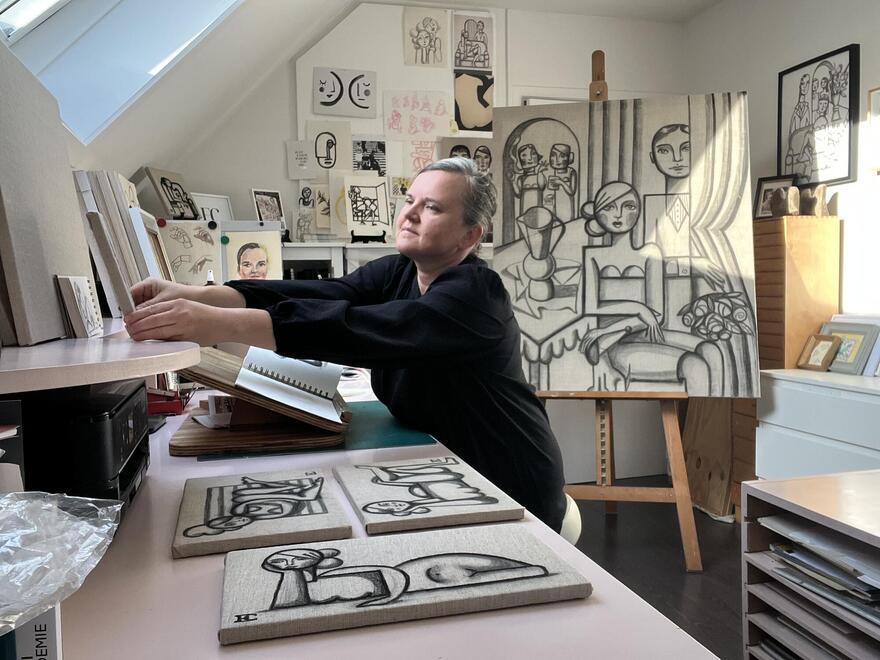
Ellen creates a universe in which silence speaks. In black-and-white figuration, she constructs a mysterious visual world. Her work is rooted in the modernist tradition and connects with the quest for pure form and timeless harmony. Everyday objects acquire poetic significance: the table as a place of encounter, the window as a view of the world, the vase as fragile elegance. Each scene carries a quiet layering that invites us to look and look again. Her art is an invitation to slow down, reflect, and discover hidden stories behind the visible. Portraiture is one of her specialties.
Dominique Van Huffel
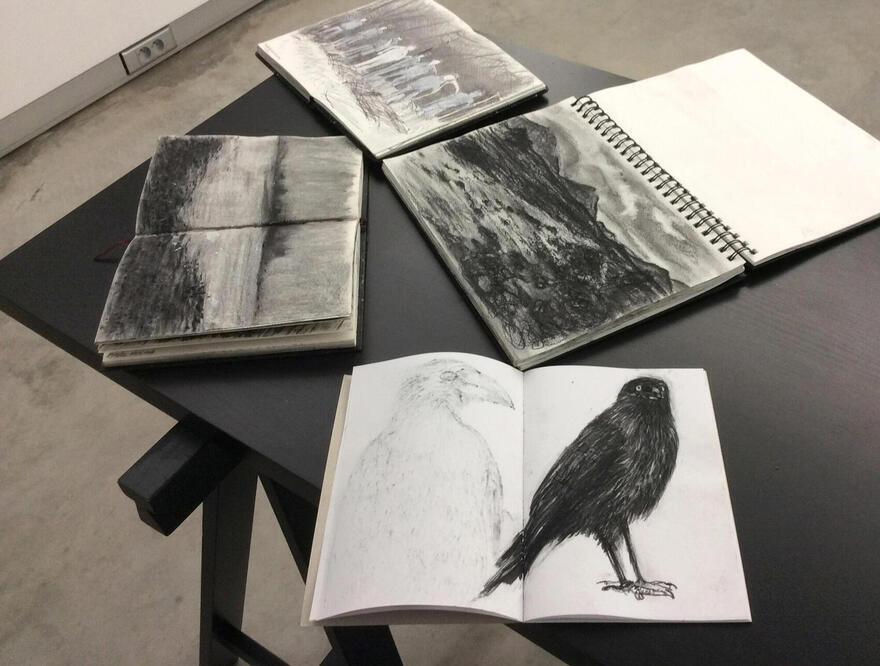
Dominique Van Huffel invites you to his table, a table filled with sketchbooks to browse. Sketchbooks that recount his experiences, big and small. This is his playground of techniques: from watercolor, pastel, pencil, colored pencil, charcoal, marker, ballpoint pen, to Chinese ink and the combination of these. Who knows, maybe next time we'll go out together and try it out for ourselves?
Ken Van Peteghem
Ken Van Peteghem is an artist and writer, best known by his alter ego, Rookie Zwarthoed. His work often stems from personal experiences. Themes such as mental vulnerability and recovery are recurring themes. Ken openly discusses his history with addiction and psychiatric care. He incorporates these experiences into his art in a colorful and honest way. He has published works including "Meth the Train to Old God," "The End of the Antwerp Traffic Jams," and "The Black Bean."
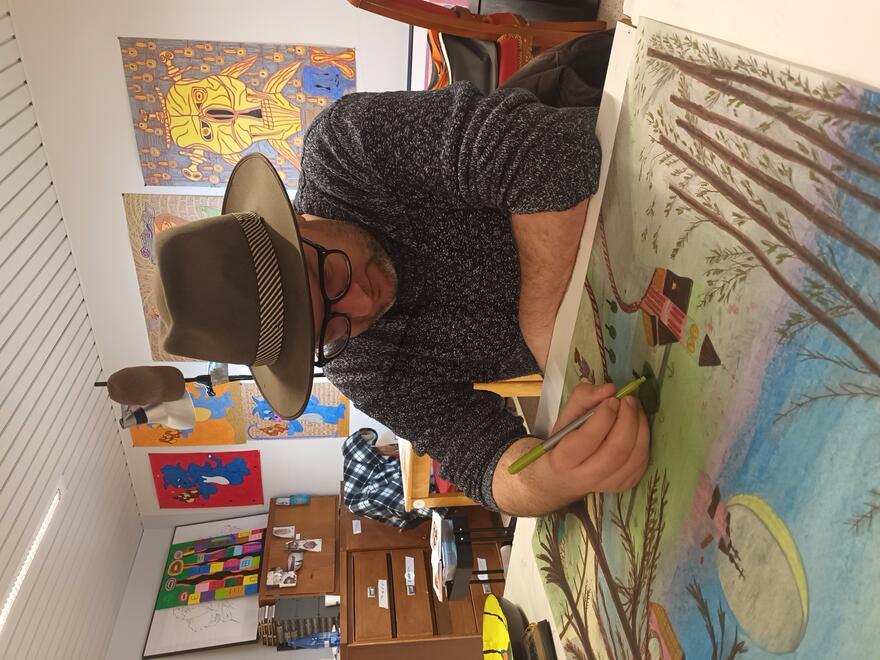
Onur Kaymak
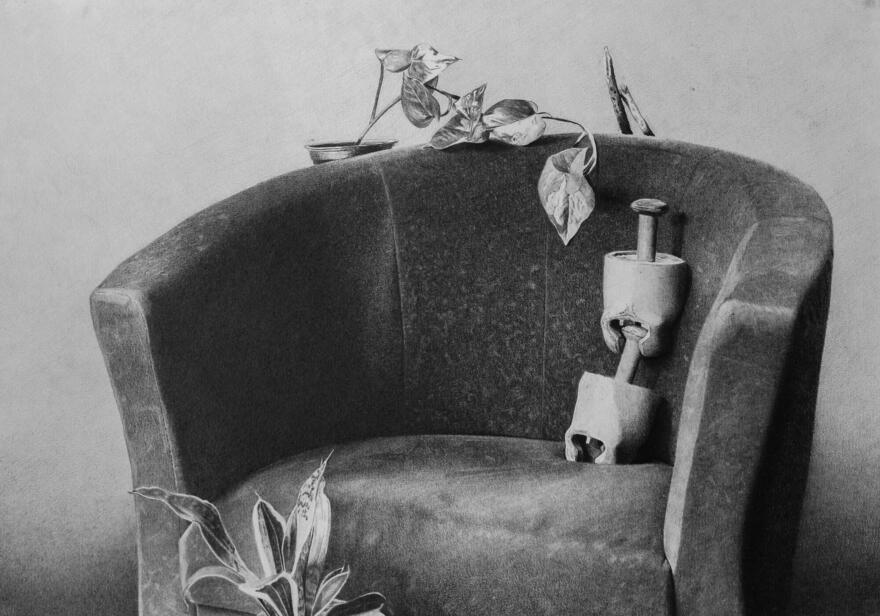
Onur Kaymak's work often begins with a walk. Drawn to industrial remnants—discarded materials and environments—his background in a family of construction workers in Turkey reflects his fascination. In a rapidly changing urban landscape that erases people's memories, such fragments become silent witnesses to forgotten histories.
Charcoal drawing is his core practice. Onur seeks not only to represent but also to find a way to breathe new life into abandoned forms, imbuing them with presence and personality. These abandoned objects, no longer serving their original function, have become forms in themselves, almost sculptural in their surroundings.